Church History
Rooted in 1745, still growing in grace today: A living story of faith, perseverance, and God’s guiding hand.
Nearly three centuries of faith
St. John’s began as a gathering of German settlers who carried with them a deep love for Scripture, community, and teaching the faith to their children. From a rough-hewn meetinghouse near Dutch Buffalo Creek to the brick sanctuary standing today, each generation has shaped this congregation with devotion, resilience, and hope. Our history is long, but its thread is simple: God has been faithful here, and continues to lead us forward.
Timeline
Tracing Our Story
Walk through the major events, turning points, and people who shaped St. John’s. These milestones reveal how a small frontier gathering grew into a congregation whose roots run deep across the region and into the wider Lutheran tradition.
1728–1737
German Settlement Begins in the Carolina Backcountry
German immigrants fleeing war and religious persecution arrived in Pennsylvania in the early 1700s, then followed the Great Wagon Road south in search of open farmland. By 1737, families had settled near present-day Mt. Pleasant. They worshiped in homes and barns, teaching their children Scripture, reading, writing, and hymn-singing—the earliest threads of the St. John’s story.
1740–1745
The First Meeting Haus Is Built
Around 1745, the community built a log church-schoolhouse of rough pine—no floor, no windows, no chimney—near Dutch Buffalo Creek. Known as the Dutch Buffalo Creek Meeting Haus, it served as both a church and a school. Because the Anglican Church was the official church of the colonies, this humble space was called a “meeting house” rather than a church. Its exact location is unknown, though a monument now marks where early members were buried.
1772–1774
Rev. Adolph Nussmann Arrives
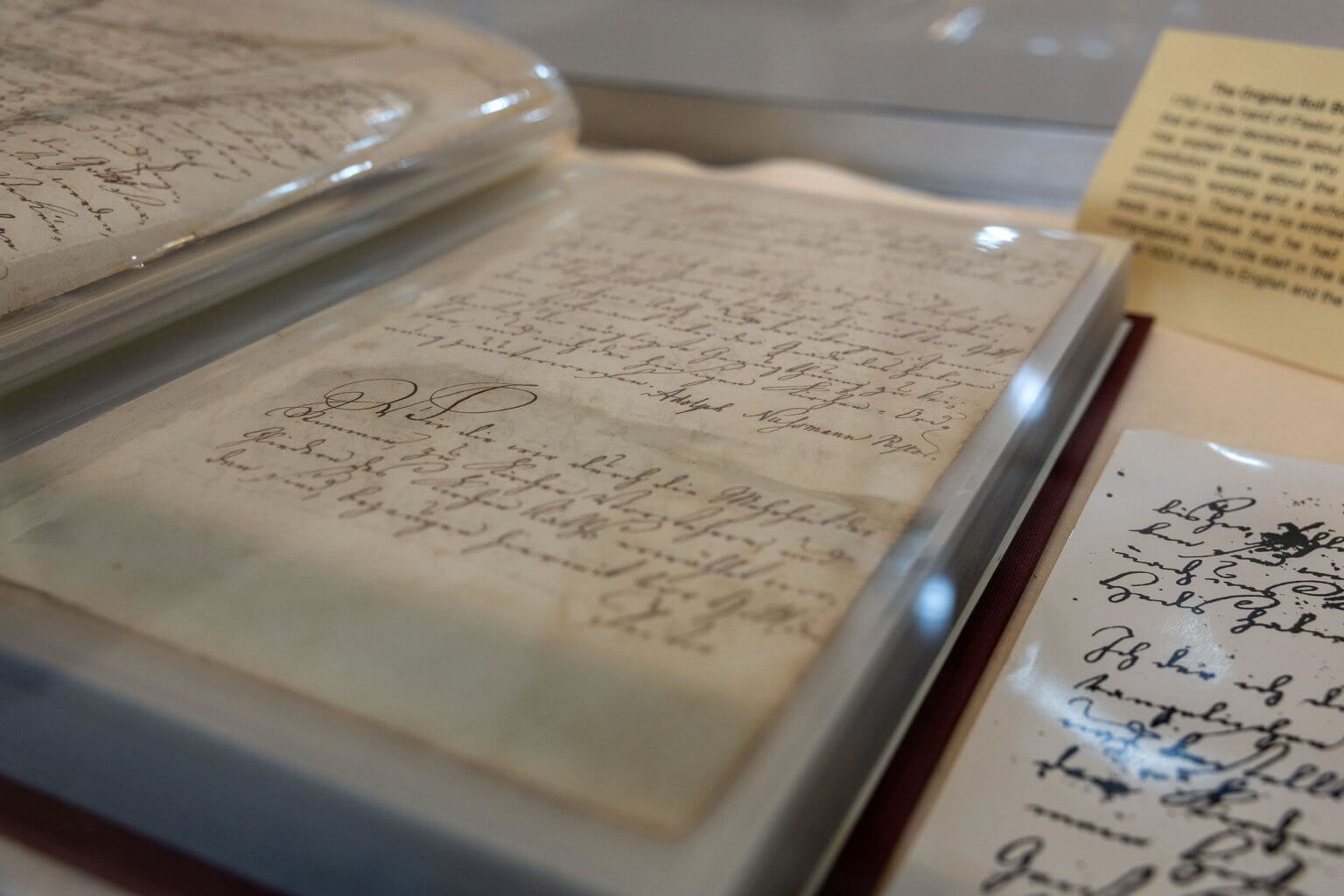
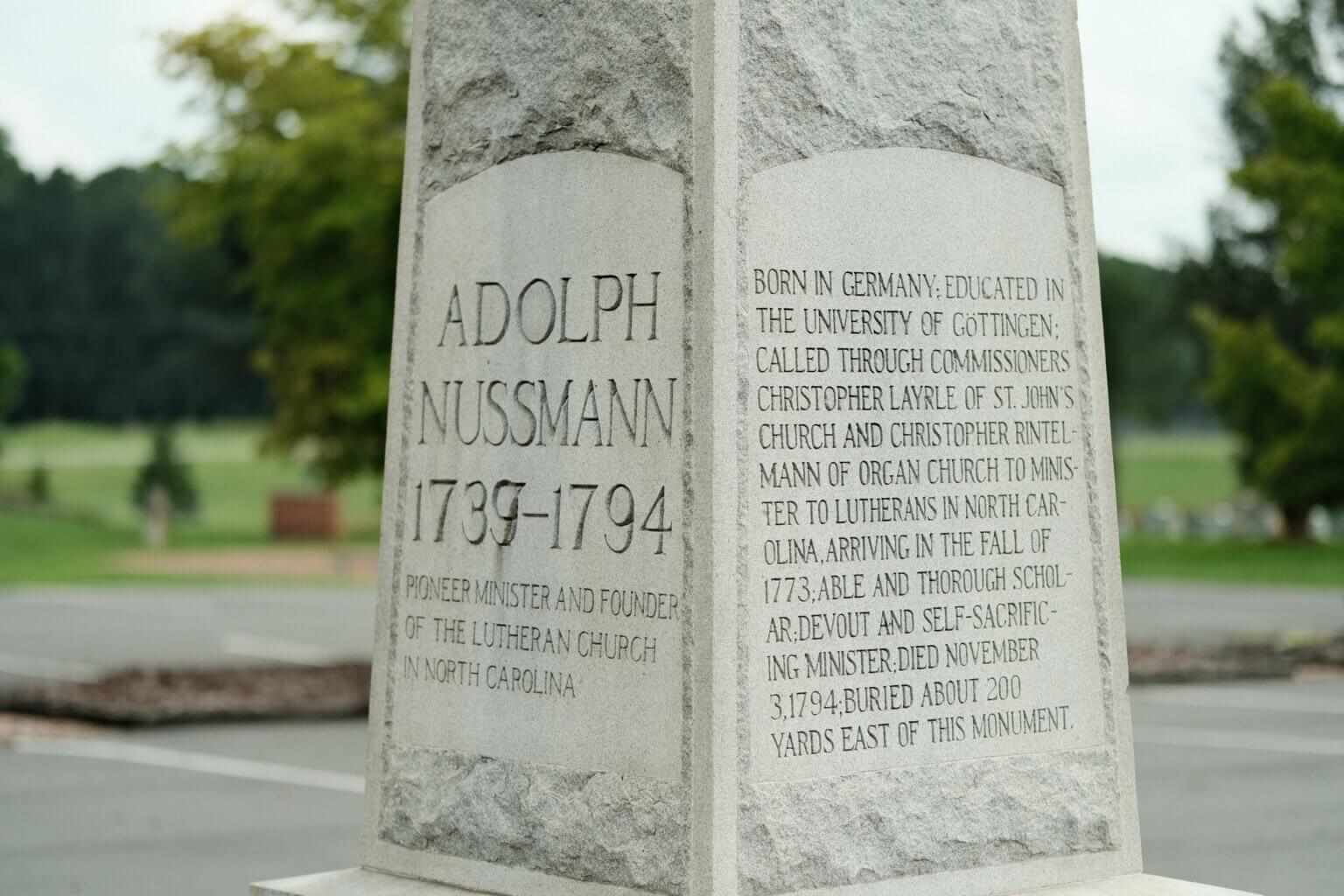
When calls for a pastor from Pennsylvania went unanswered, representatives from St. John’s and Organ Church traveled to Germany seeking clergy. Their mission succeeded: Rev. Adolph Nussmann was commissioned as pastor, and Johann Gottfried Arends as schoolteacher. Arriving in 1773, Nussmann became the first Lutheran pastor to permanently serve in North Carolina. From St. John’s, he ministered across a fifty-mile radius, helping organize many of the state’s earliest Lutheran congregations.
1775–1783
The Revolutionary War Years
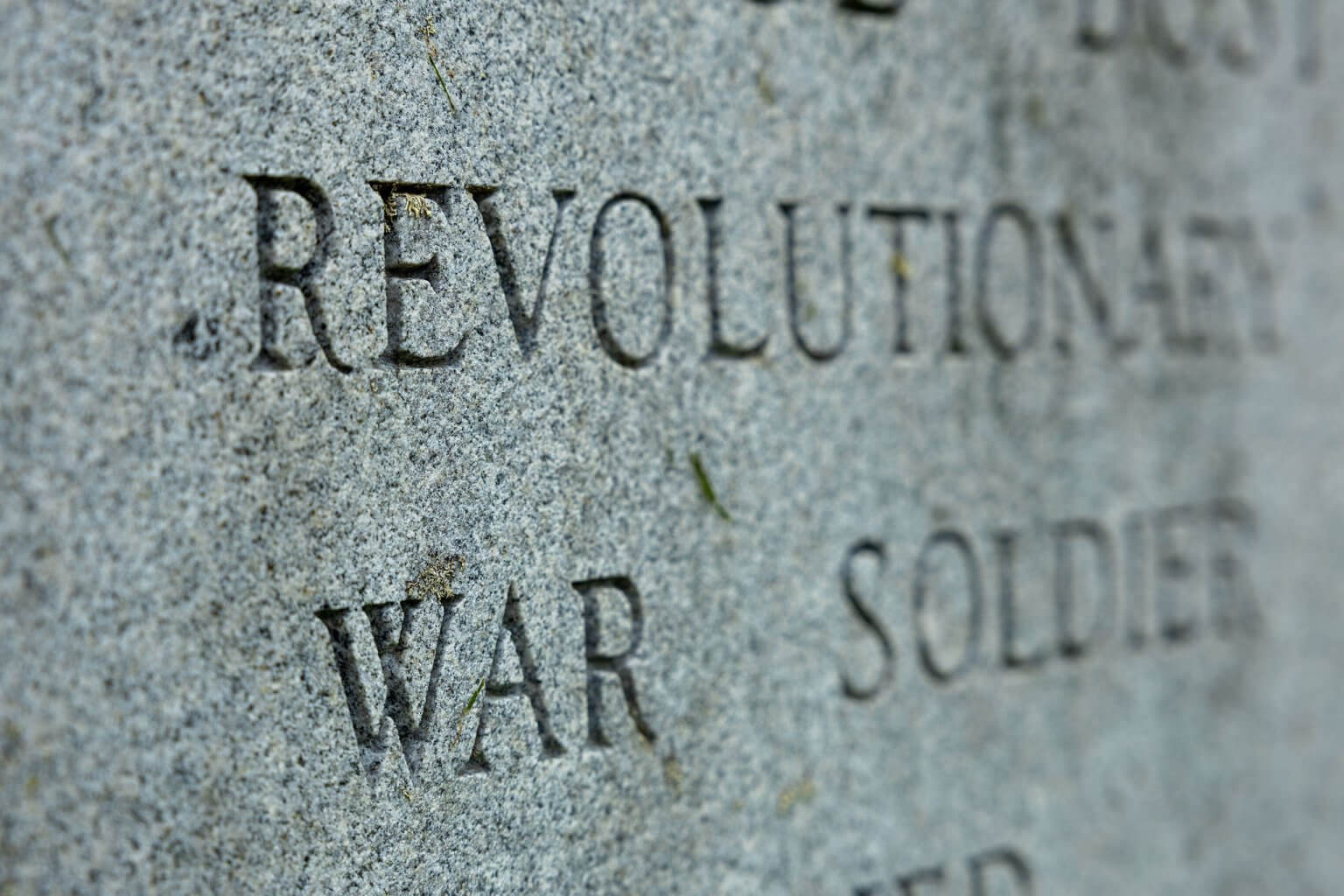
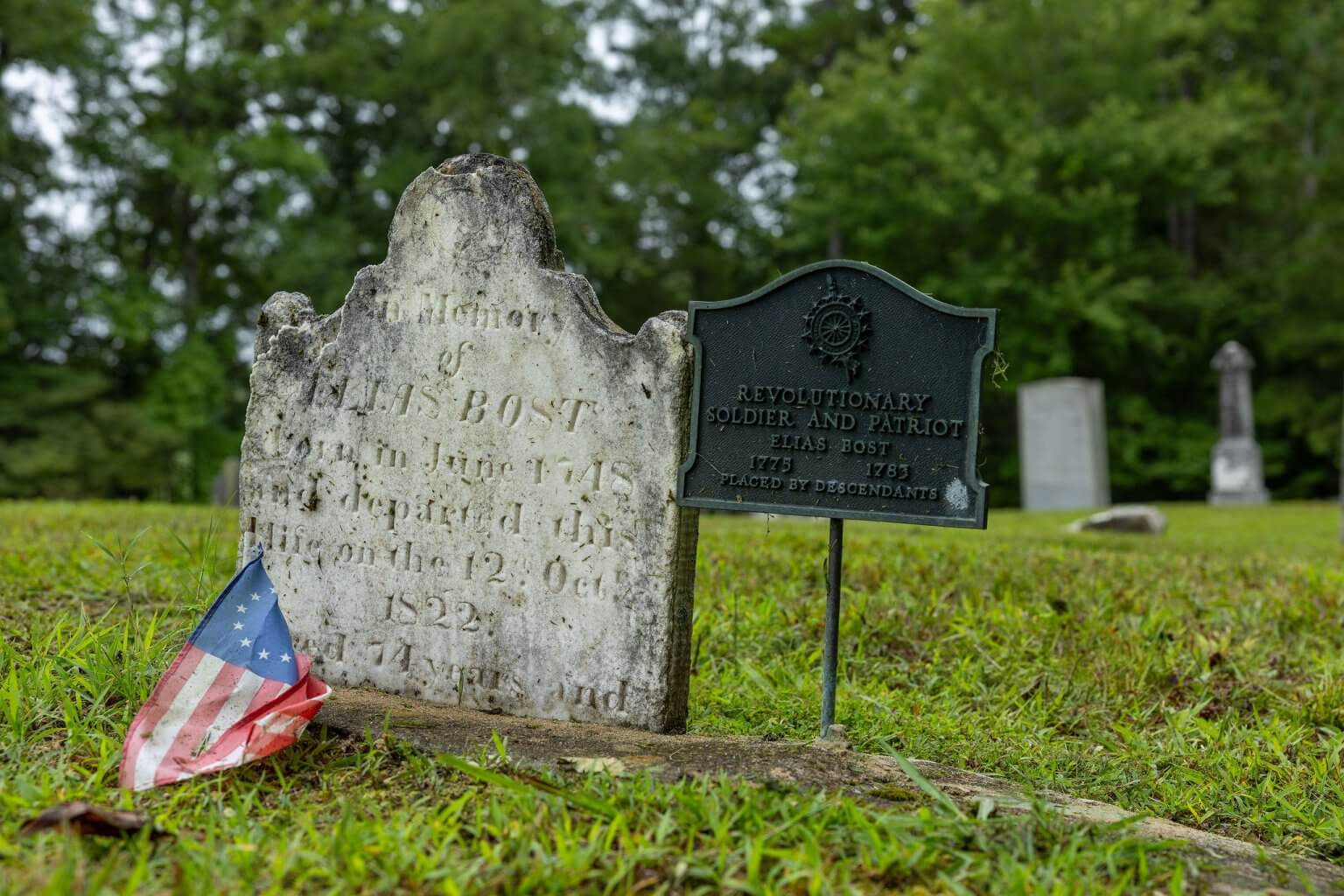
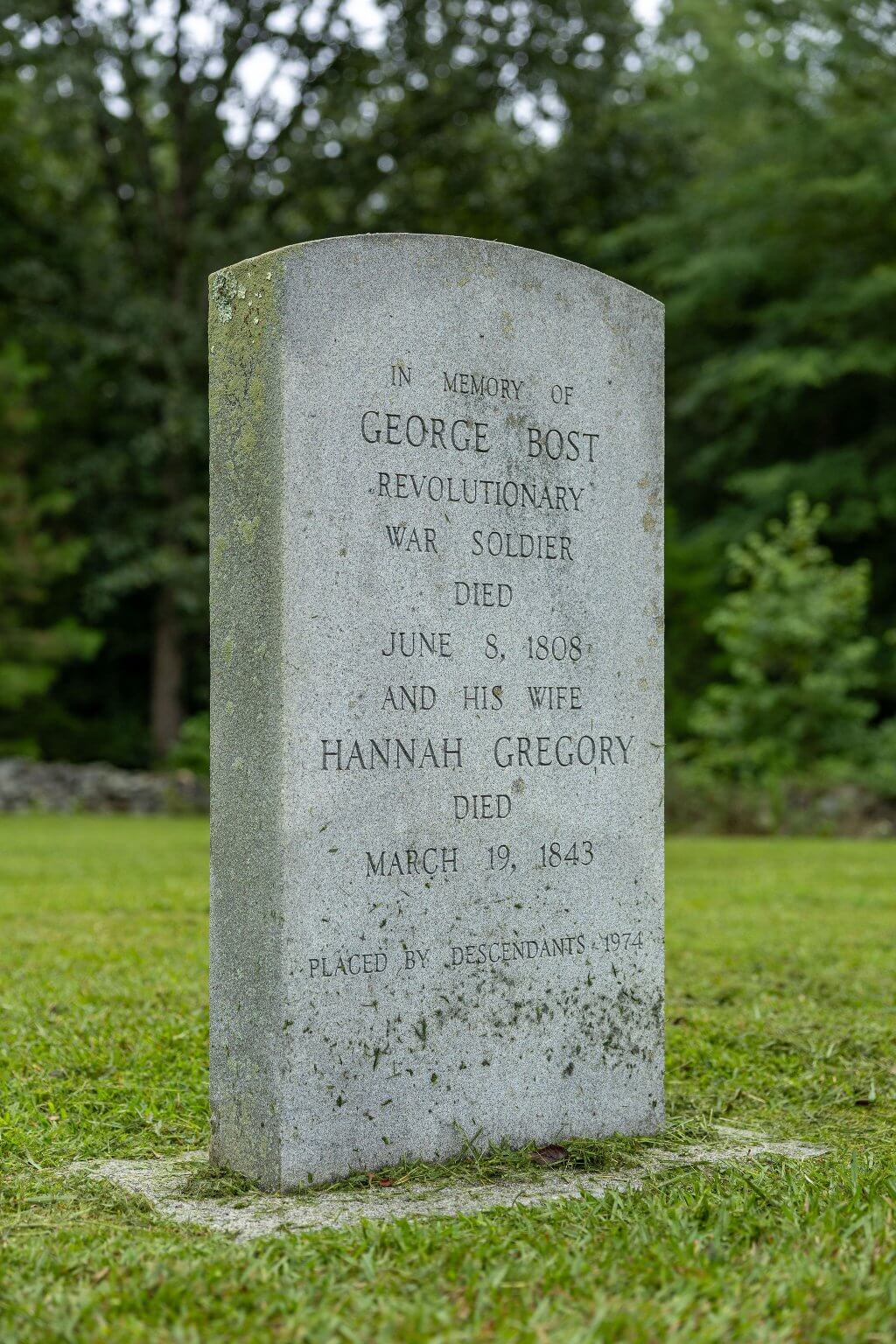
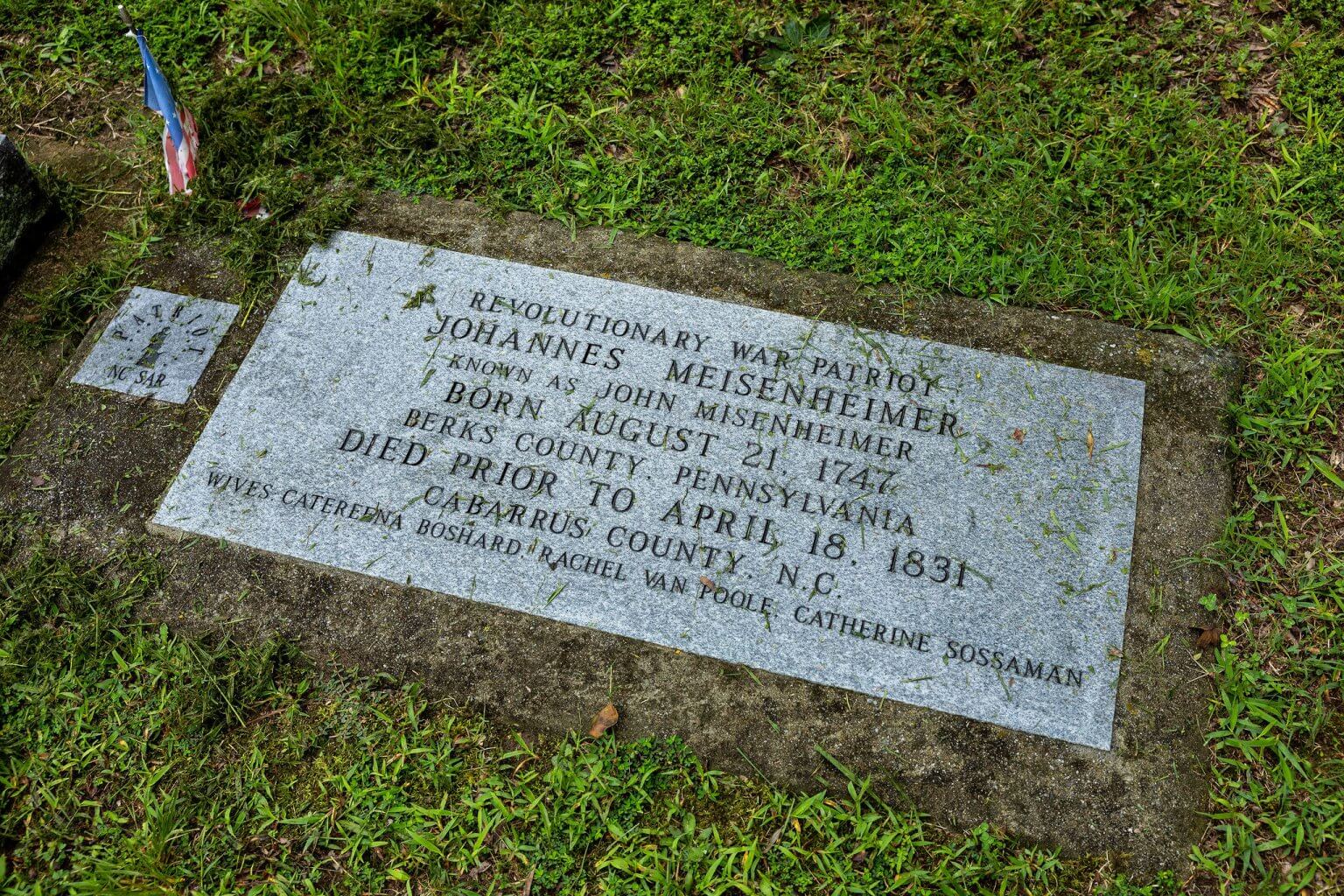
Many members of St. John’s fought in the Revolutionary War, including at the Battle of Moore’s Creek Bridge. Some were wounded, imprisoned, or never returned home. Though British troops did not occupy the area, Tory raids brought fear and loss. Tradition holds that Nussmann’s fatal throat cancer may have stemmed from torture inflicted during this turbulent period. Through it all, worship continued, and the congregation remained steadfast.
1782–1785
Land Purchased & the Red Meeting House Built
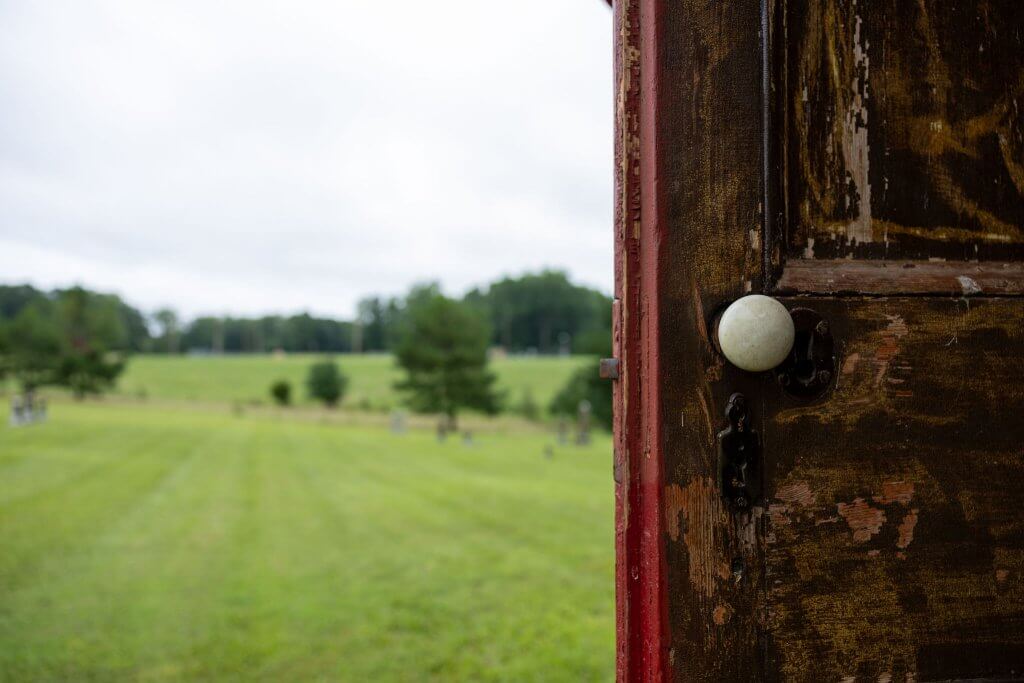
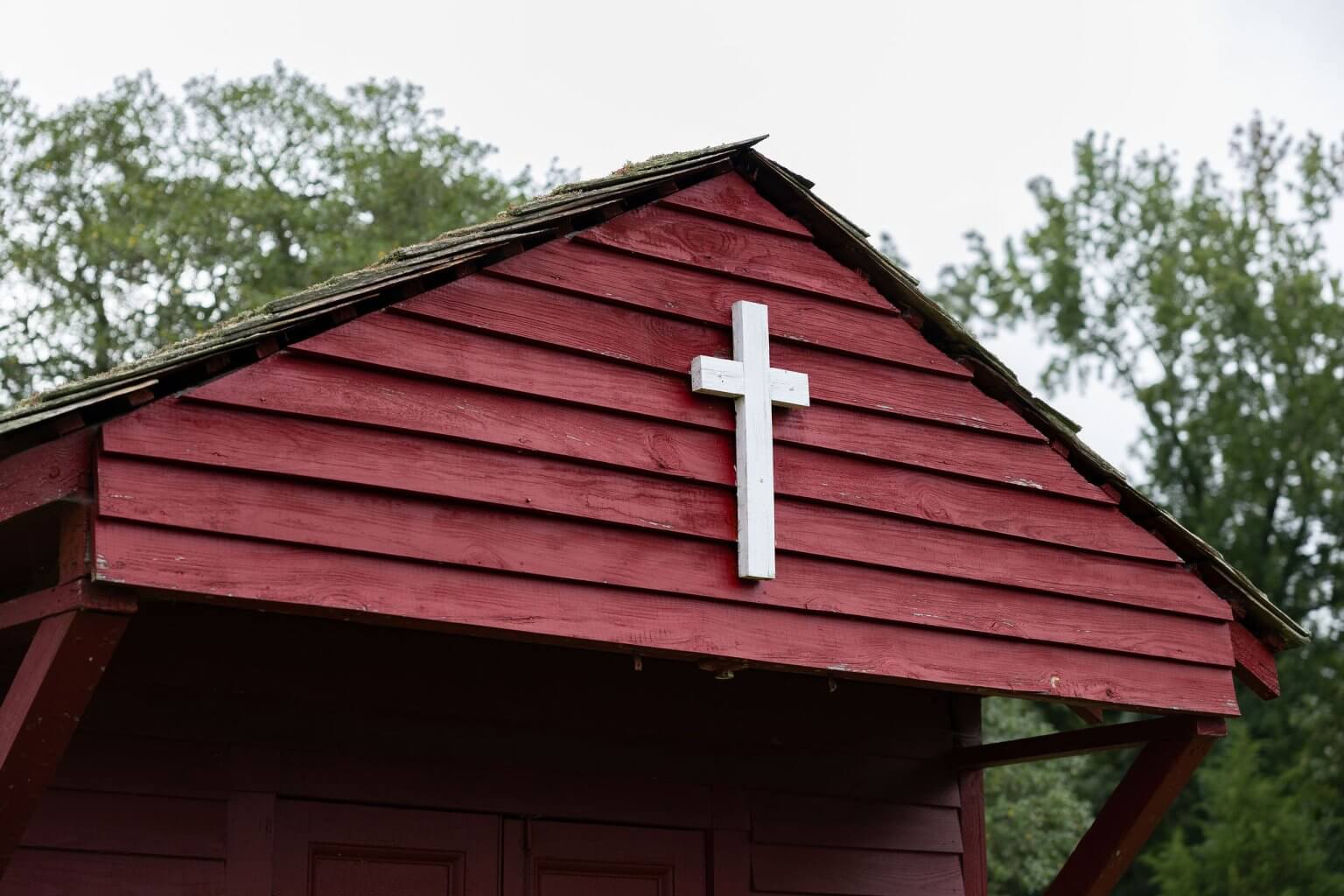
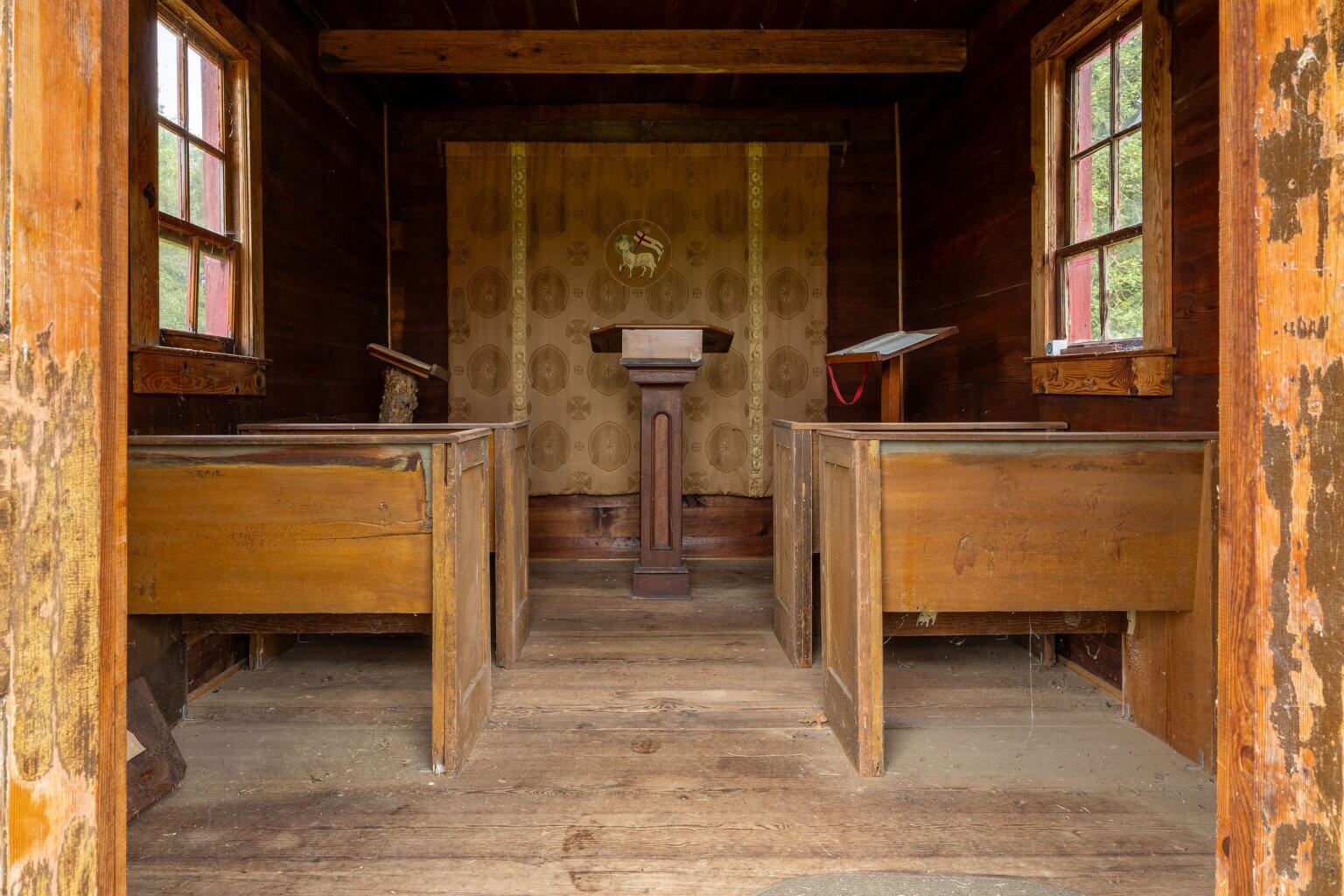
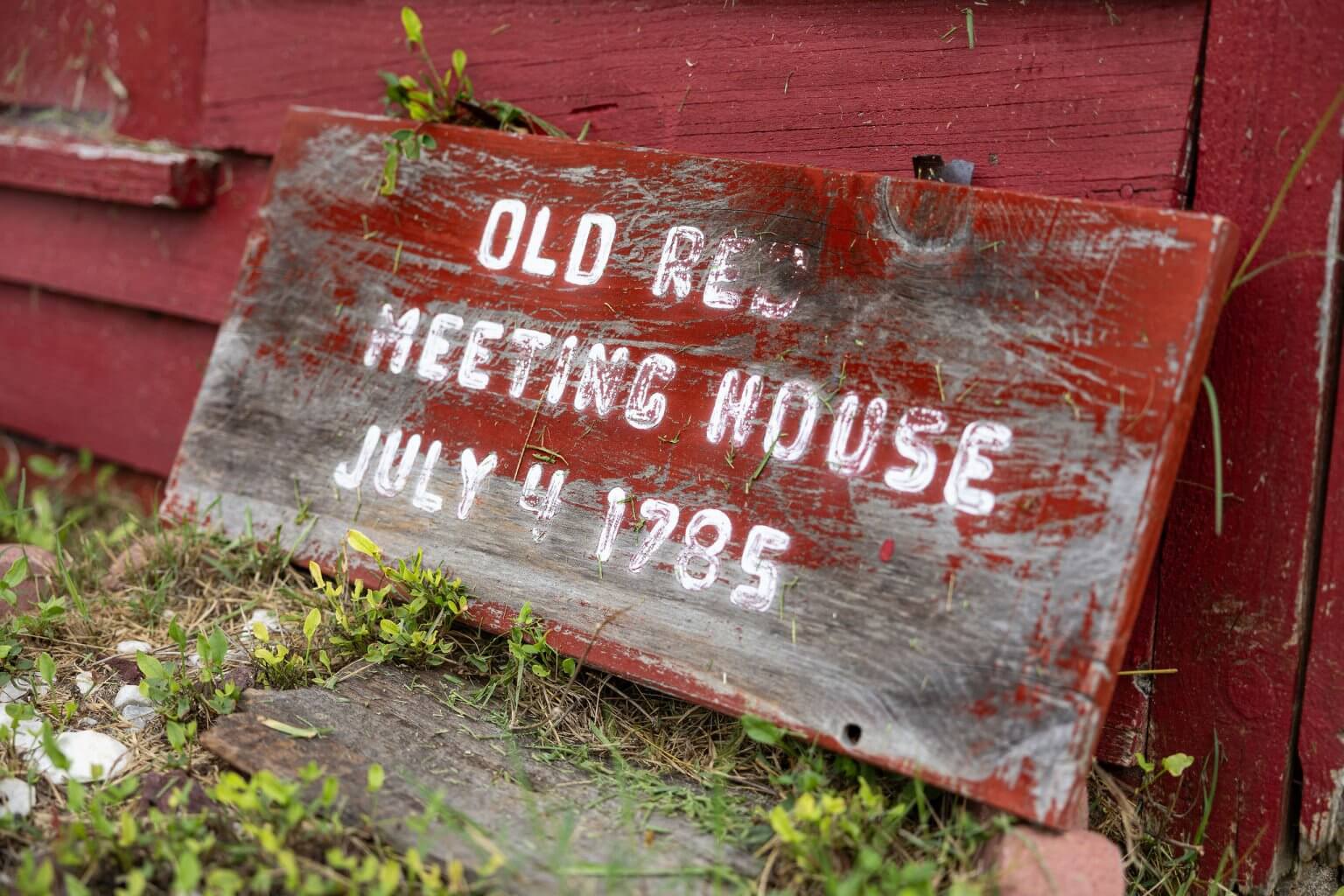
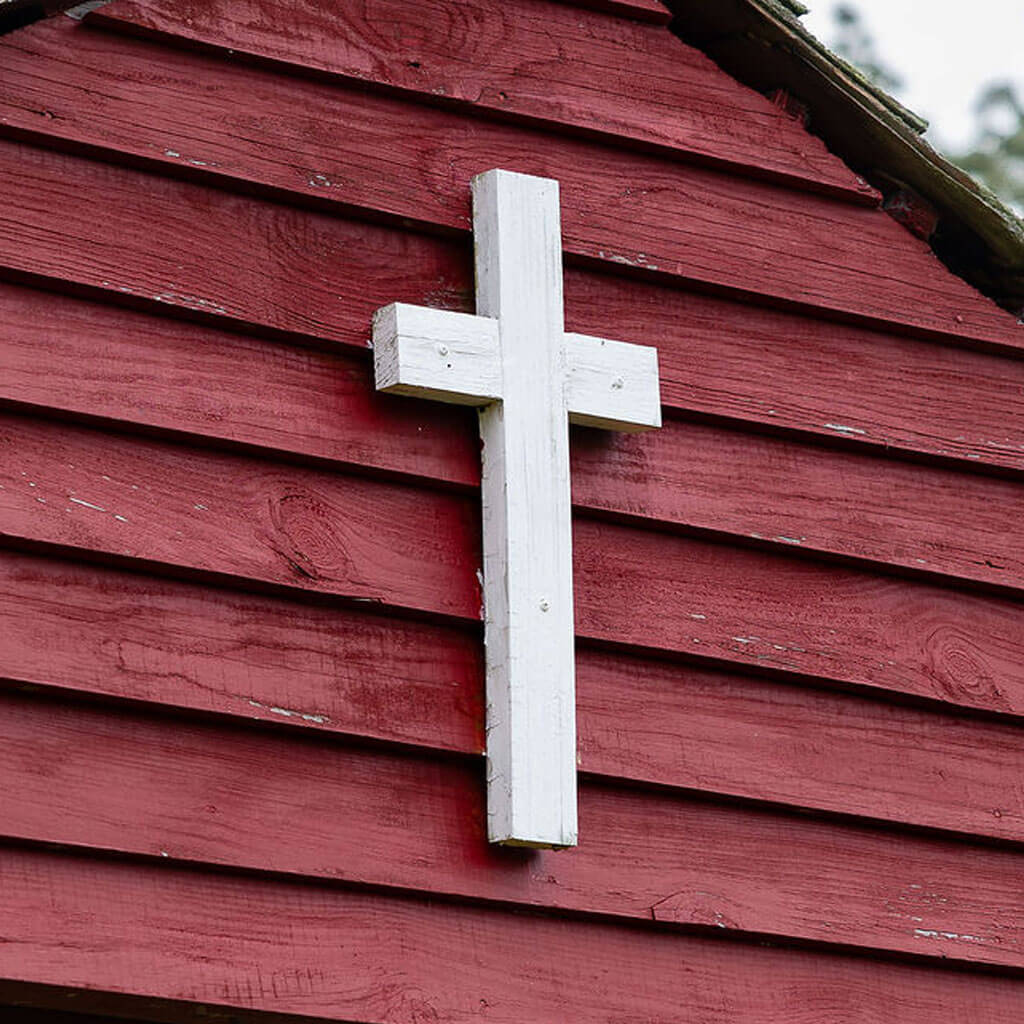
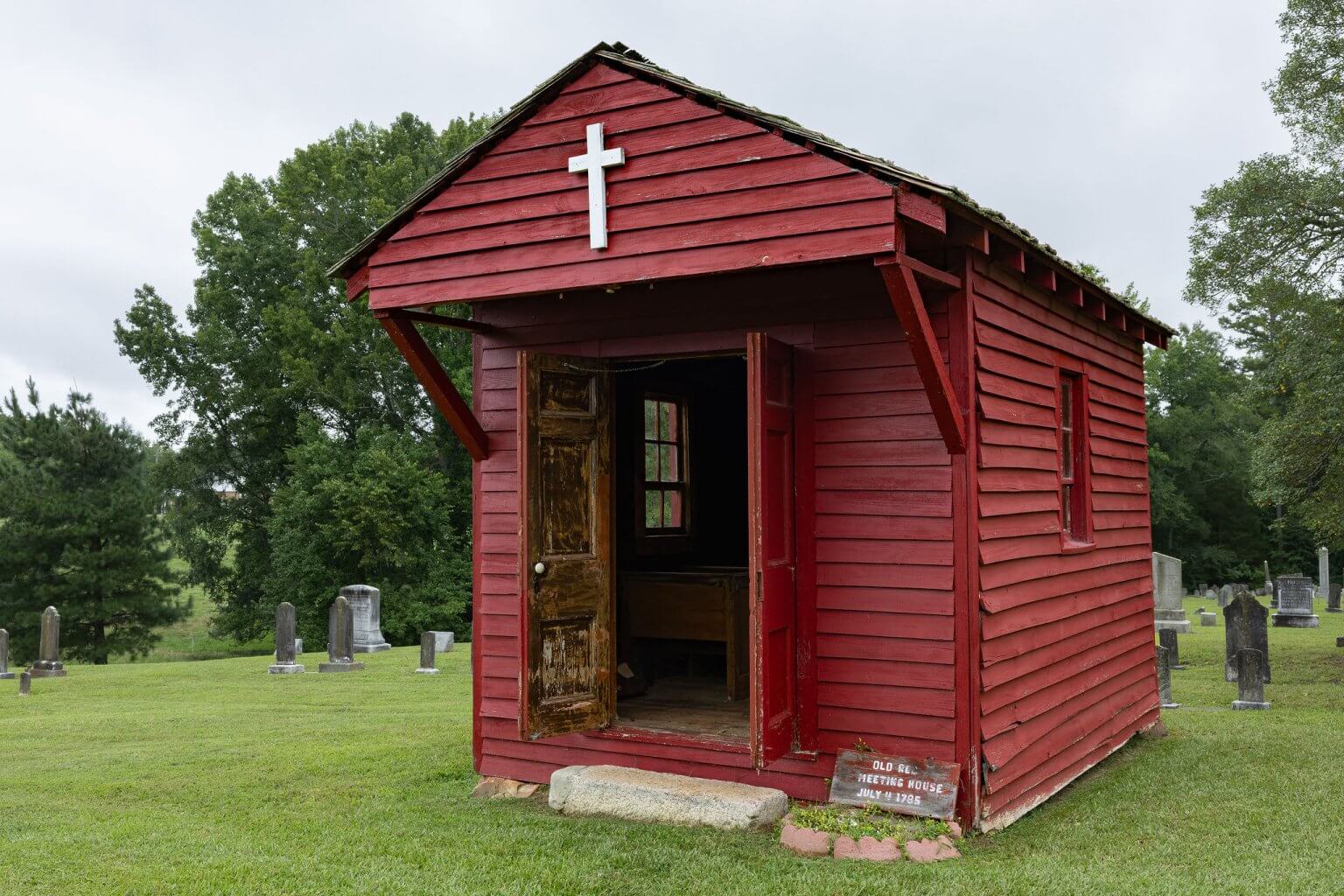
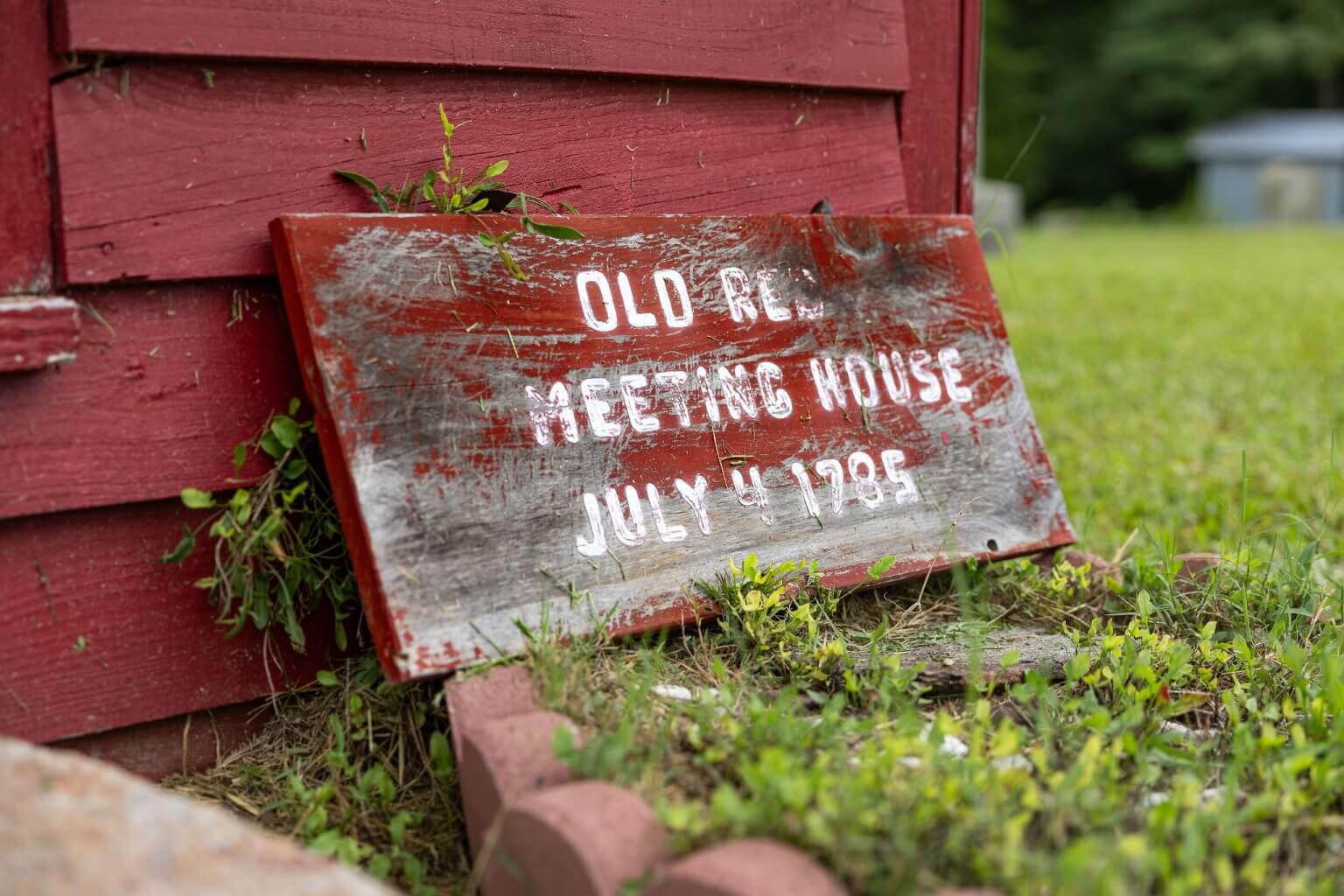
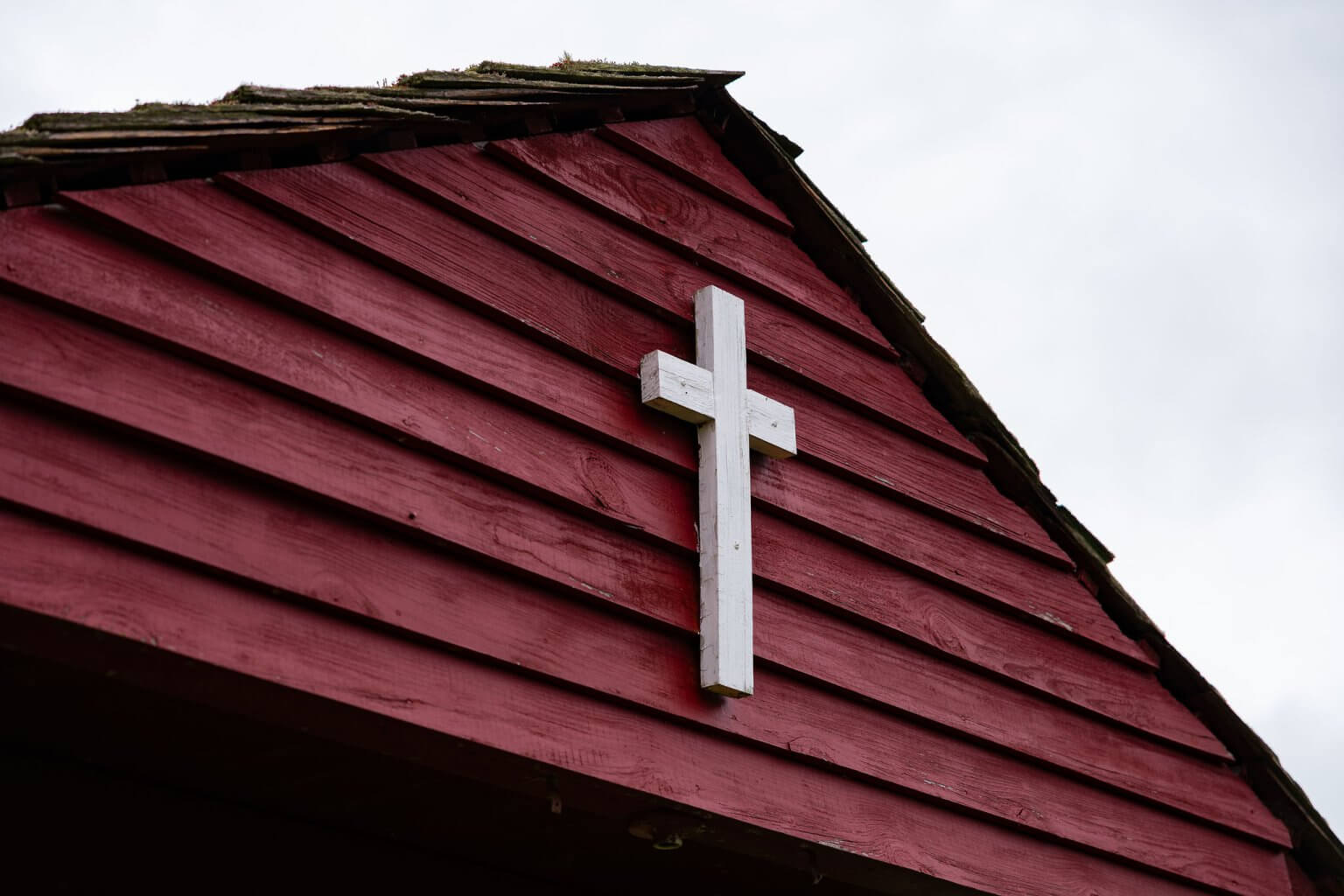
In 1782, church leaders purchased roughly one hundred acres “in trust for the congregation.” On this land, they built a new, larger frame sanctuary painted red—known as the Red Meeting House—and dedicated it on July 4, 1785. It became one of the finest houses of worship in western North Carolina and served the congregation for about sixty years.
1844–1846
The Brick Sanctuary Rises
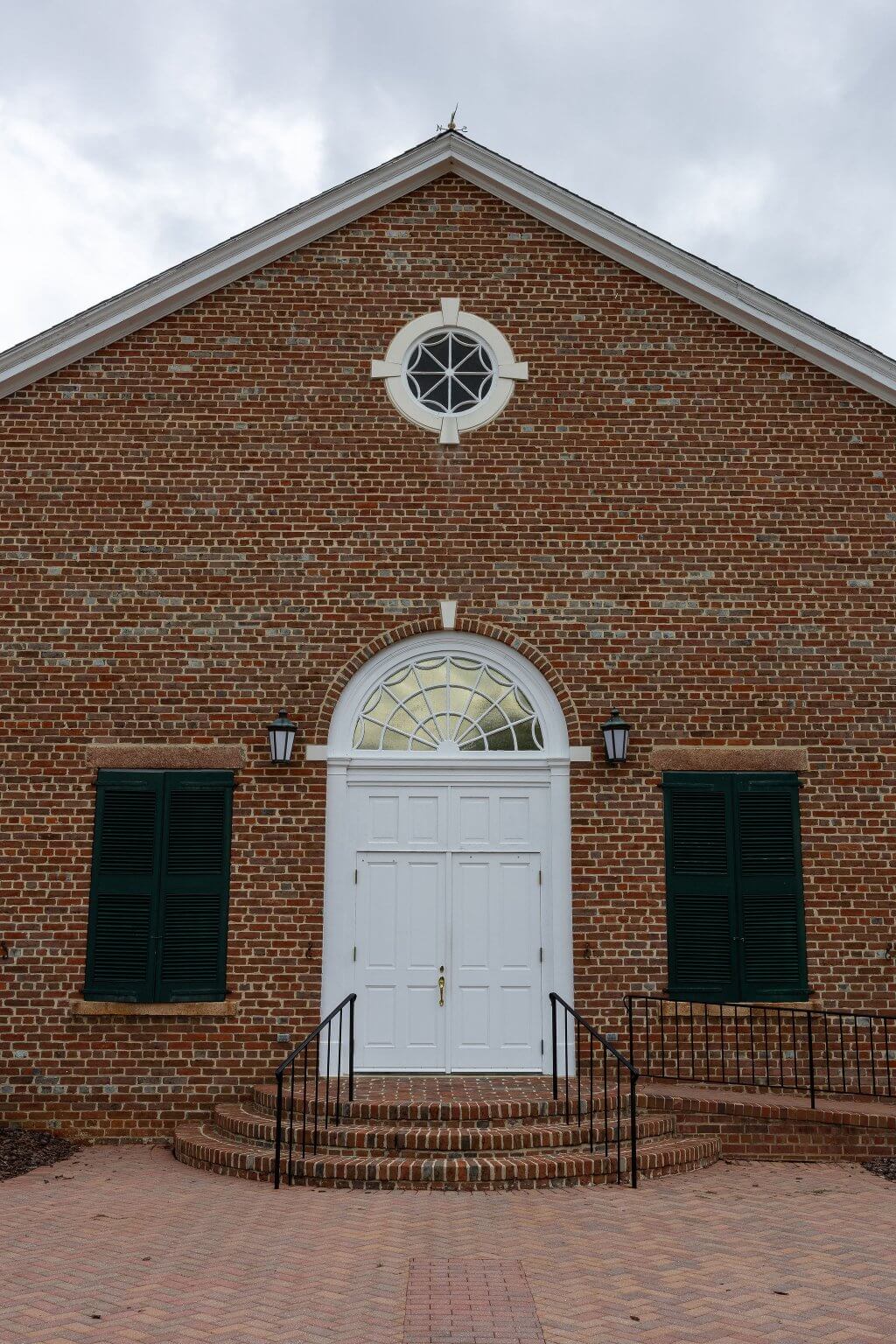
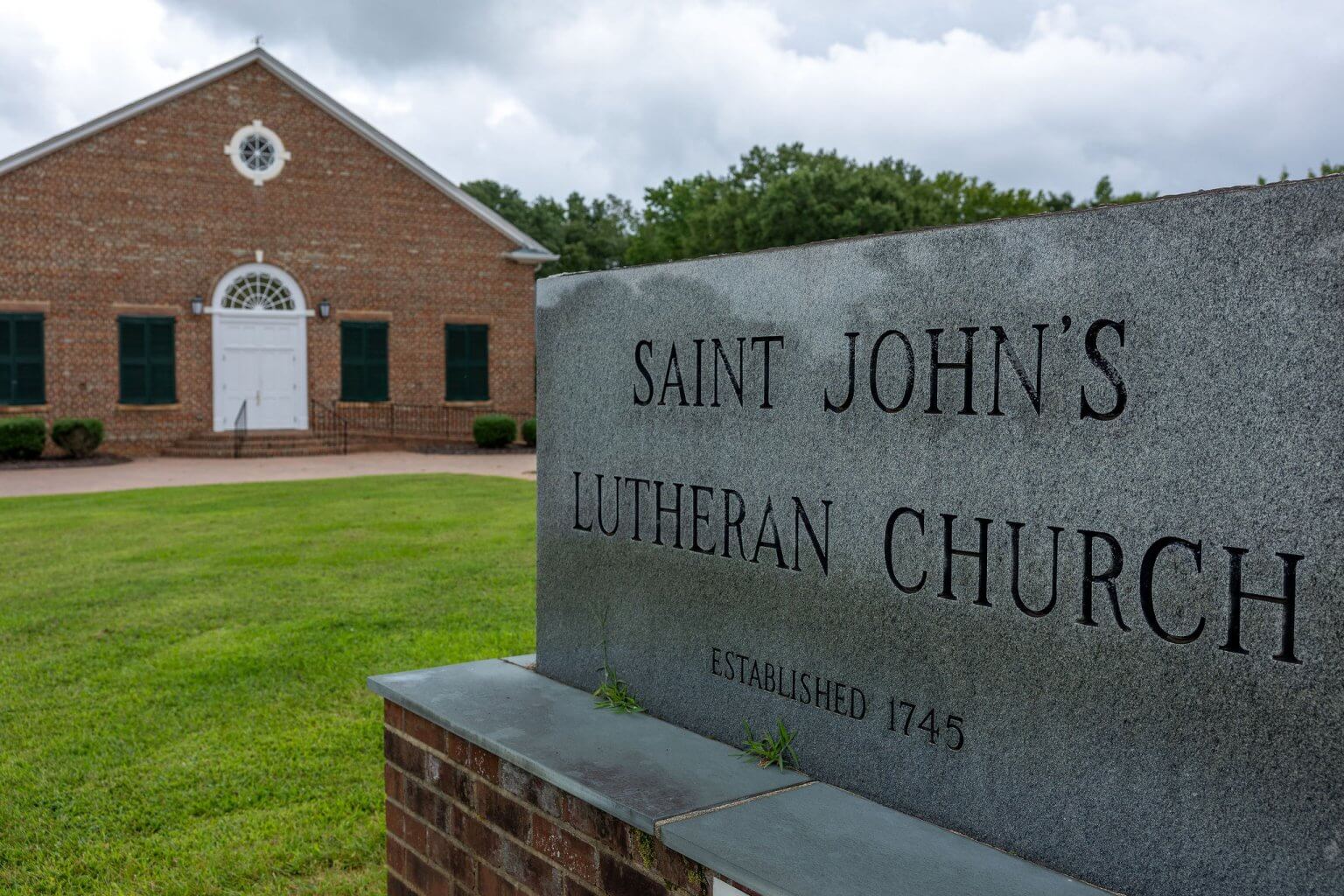
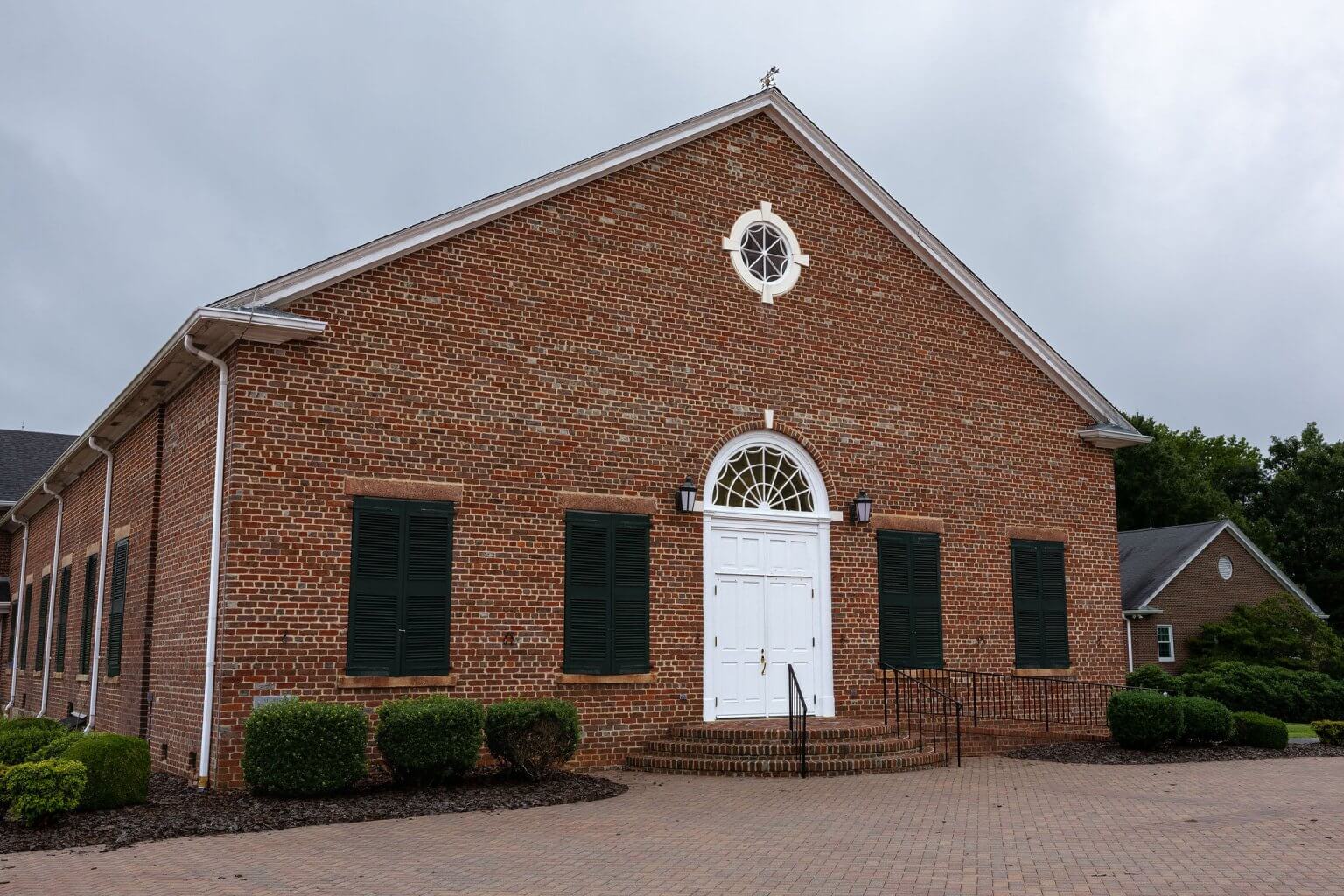
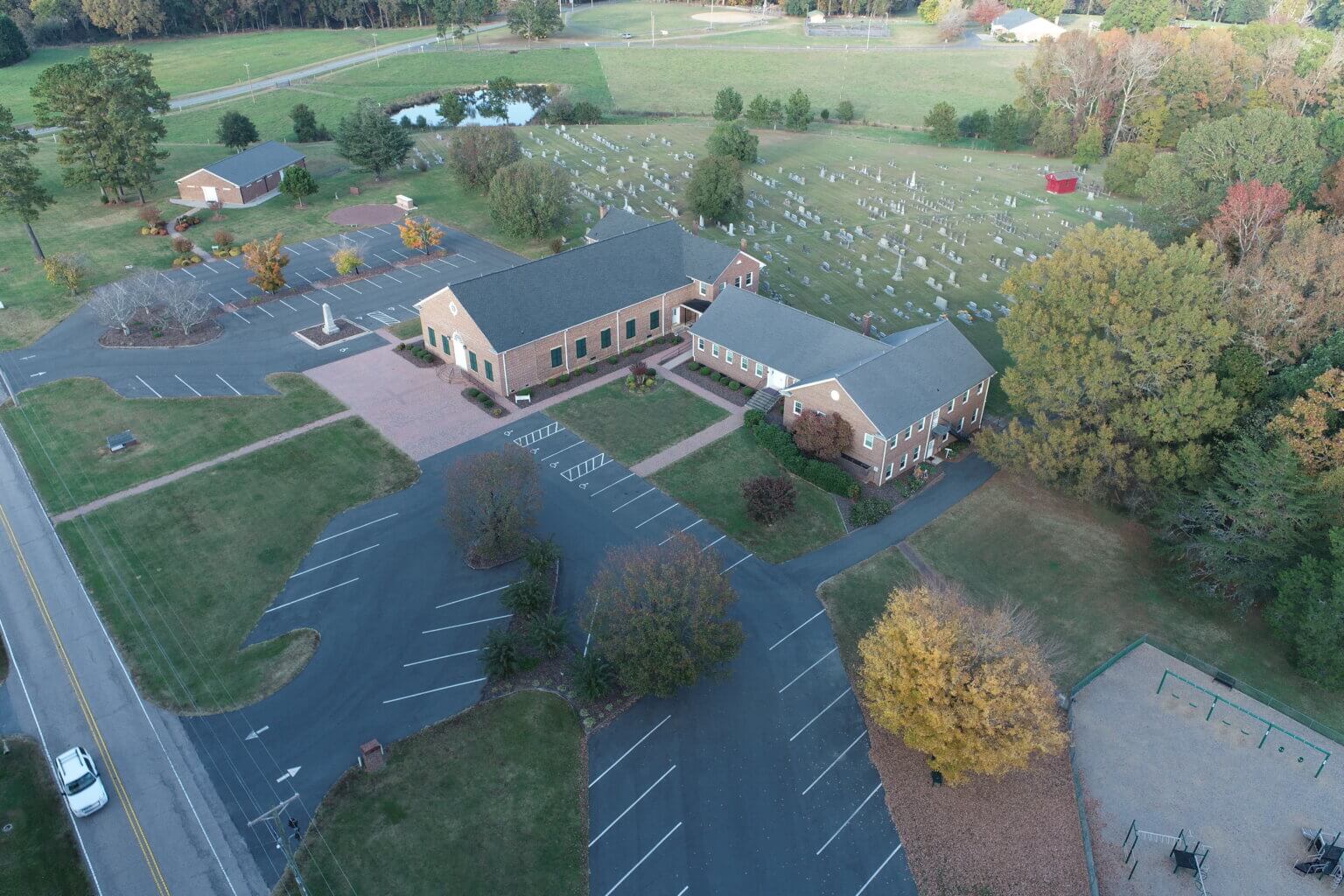
By the mid-1800s, St. John’s needed a more permanent structure. Built of bricks made on church land, the current sanctuary was dedicated in 1846 and soon became a regional landmark. Portions of funds collected in London in the 1770s, still preserved decades later, were used to finance its construction.
Generations have continued to care for and expand the building:
1888 — Major interior renovations
1936 — Three-story educational wing
1948 — Nave remodeled
1965 — Sanctuary and classroom expansions
1976 — Fellowship building added
1794–1889
A Center of Lutheran Growth and “Firsts”
St. John’s hosted the first Lutheran ecclesiastical assembly in North Carolina in 1794, ordaining Rev. R. J. Miller—its first English-speaking pastor. Members and pastors from St. John’s went on to help establish new congregations throughout the state and into the Midwest.
In 1880, Rev. D. J. Koontz, the first Black Lutheran pastor in North Carolina, was ordained here. In 1889, the NC Synod’s 86th convention at St. John’s officially organized the Alpha Colored Lutheran Synod of N.C. These milestones reflect St. John’s long-standing influence and commitment to the wider church.
1861–1945
Members Serve in Every Major Conflict
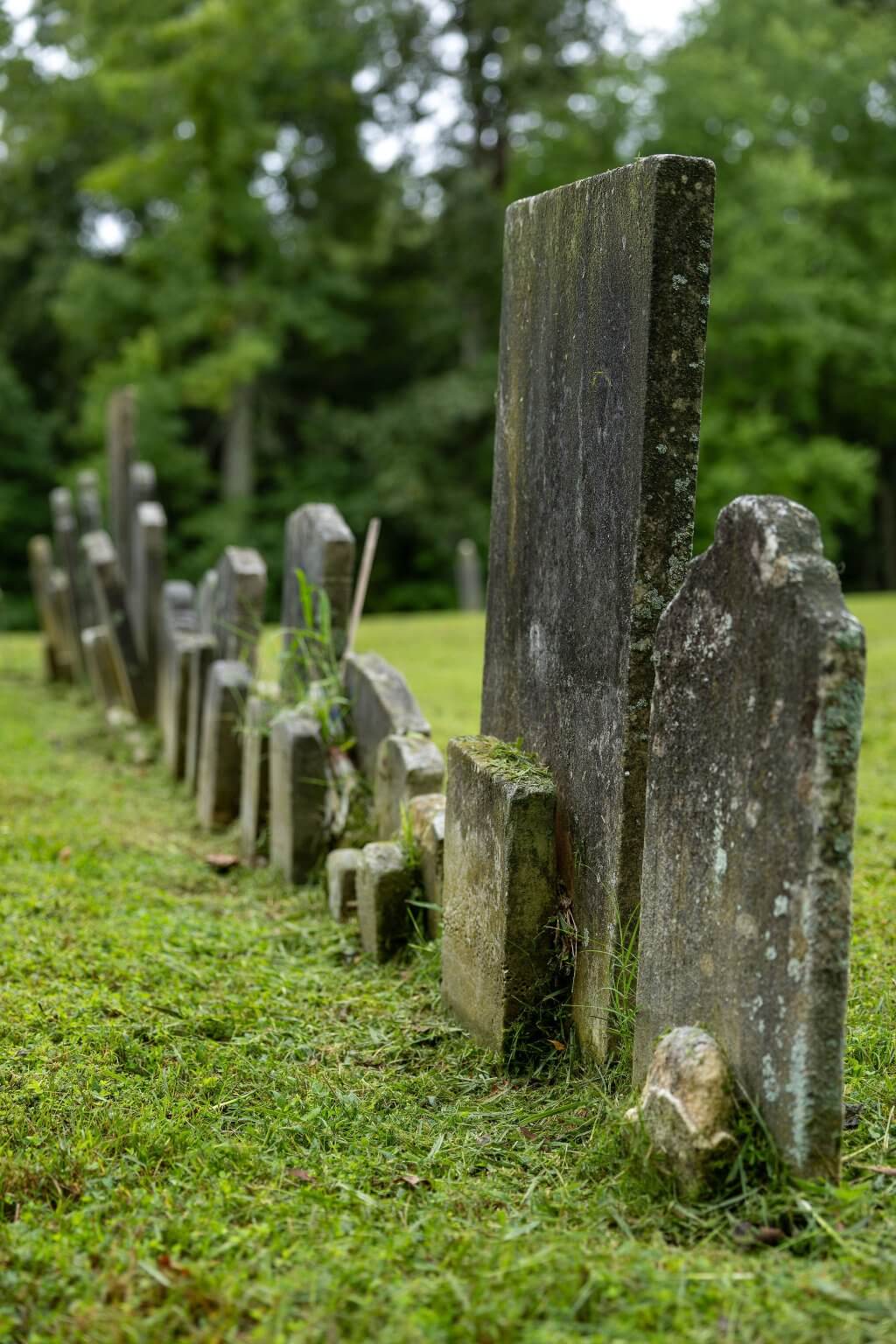
From the Civil War through both World Wars, members of St. John’s served their country with courage. Many rest in the church cemetery, while others lie in distant military burial grounds. Their stories, preserved through records, markers, and family memory, remain part of the congregation’s identity and prayerful witness.
1995
250 Years of Ministry
St. John’s marked its 250th anniversary with special services and living-history events celebrating the work and sacrifice of its founders. Today, the congregation continues to grow in worship, mission, and community, honoring a deep heritage while welcoming the next generation with open doors and open hearts.
2025
A Living Community Rooted in Hope
St. John’s continues to grow through worship, service, education, and deep community life. Families gather for Sunday worship, children learn and play in the preschool, and members walk the same grounds tended by generations before them. With an active Heritage Center, thriving groups, and a renewed commitment to welcoming those seeking connection and faith, the congregation moves confidently into the future, guided by the same gospel that shaped its past.
Sources & Further Reading
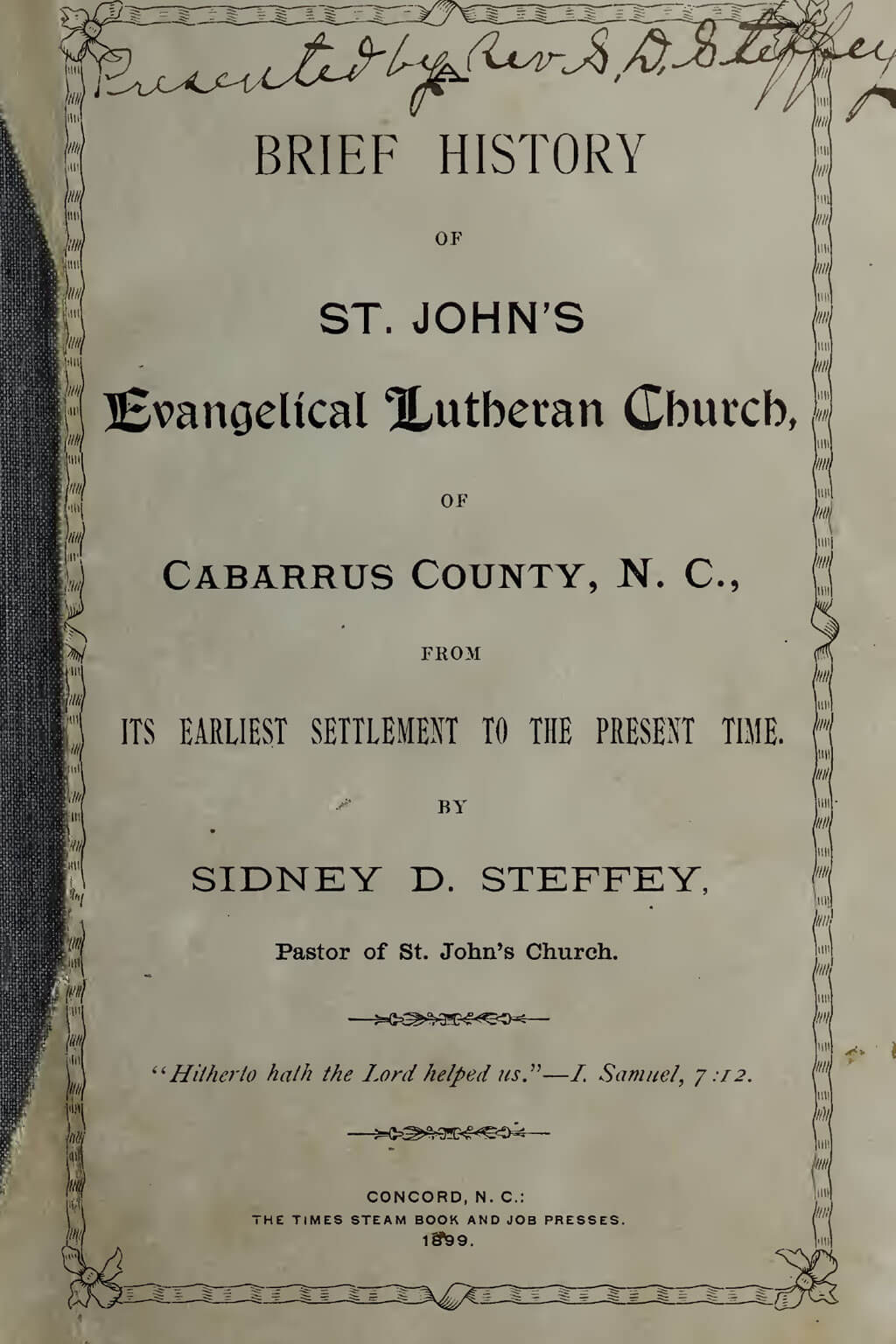
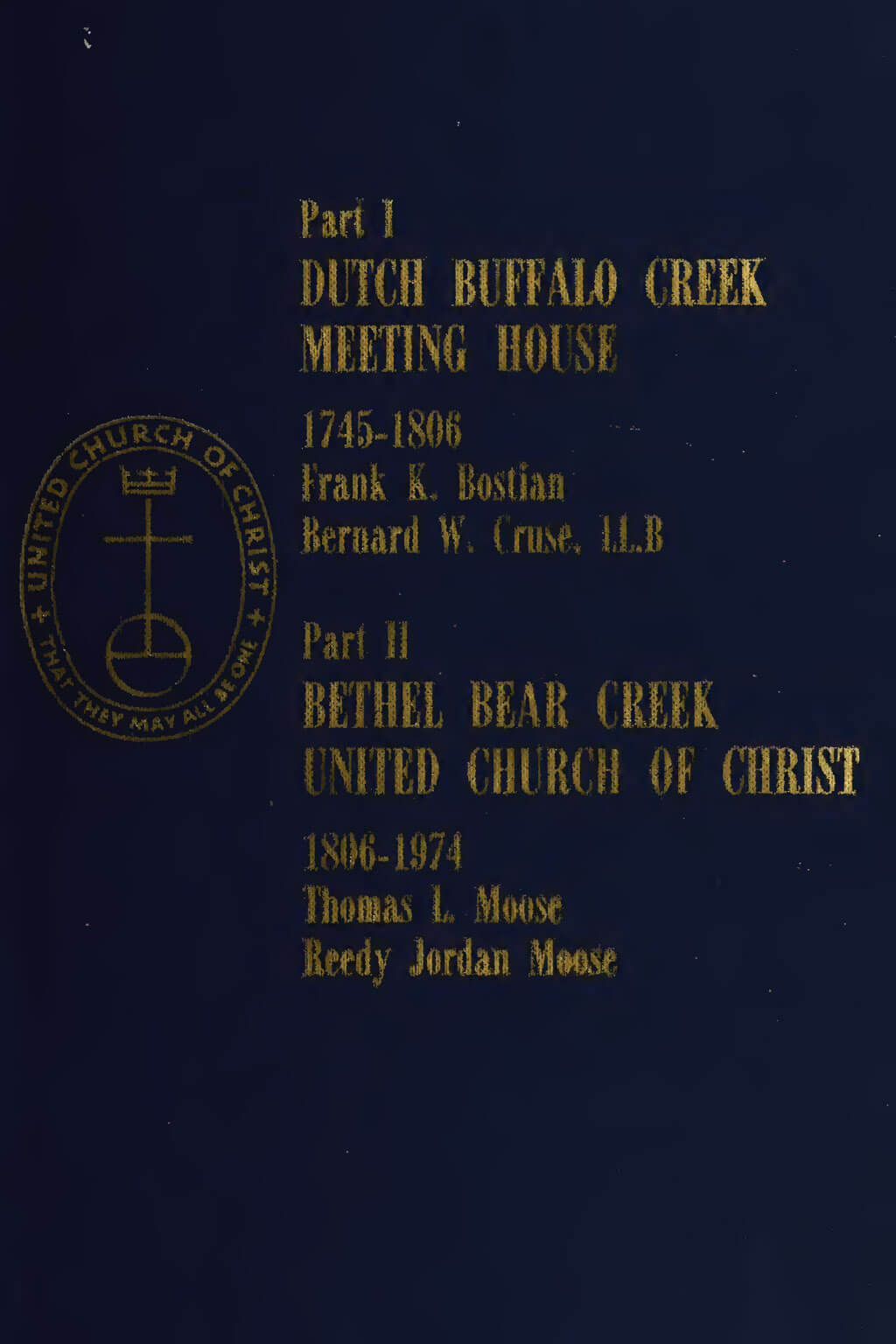
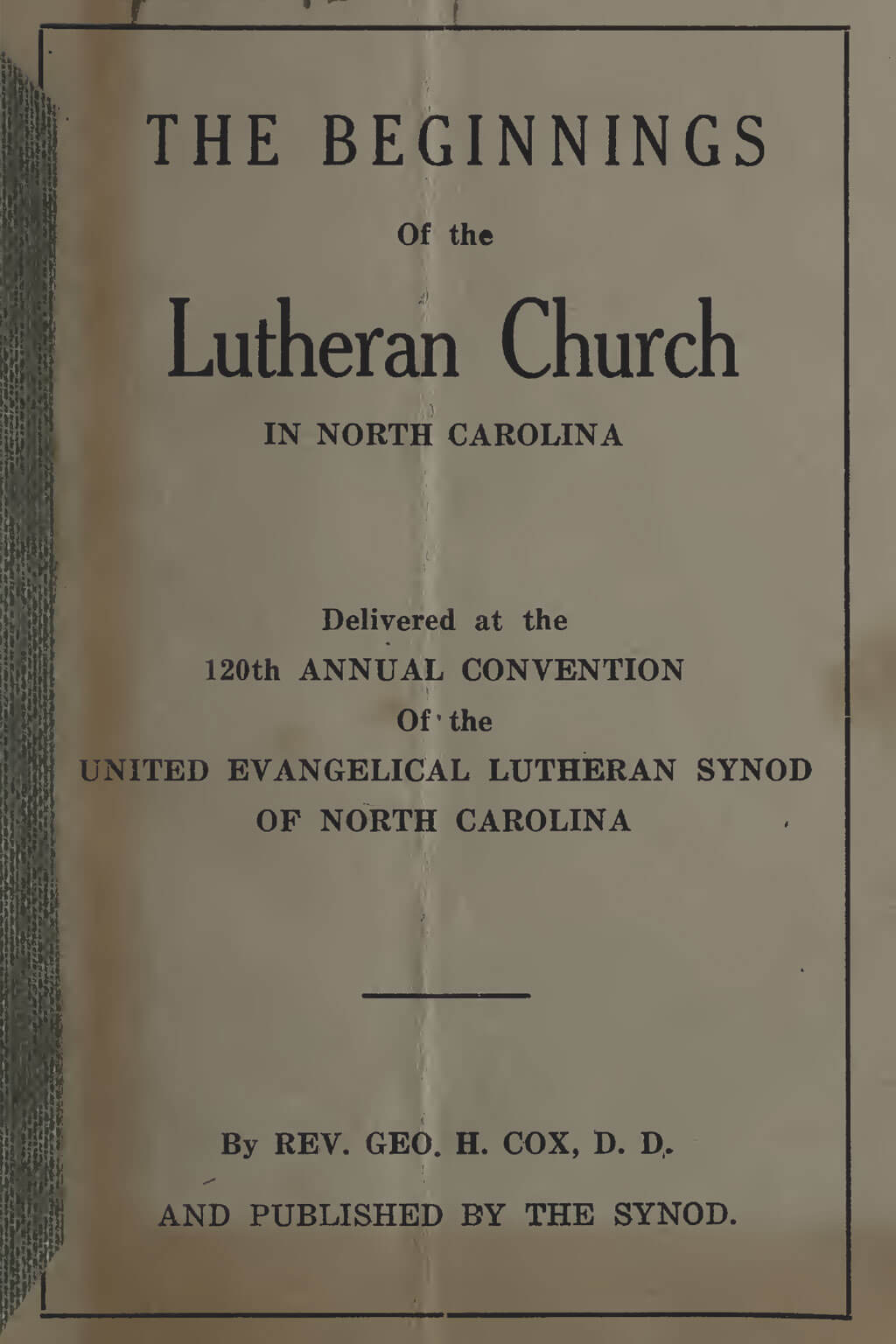
Explore our digitized archives
Browse select booklets, primary-source documents, and historical writings preserved from the early years of St. John’s. These materials have been digitized for easy access, with original copies available for research inside the Heritage Center. Each piece offers a window into the faith, perseverance, and everyday life of the people who shaped this congregation from its earliest days.
Frequently Asked Questions
Do you offer guided historical tours?
Yes. Visitors, families, school groups, and researchers may request a guided visit to the Heritage Center or historic grounds. Use the form below to schedule.
Where can I find records or genealogies related to St. John’s?
Our Heritage Center preserves church records, family histories, photographs, and documents dating back to the 1700s. Volunteers can help locate specific names or materials.
Are digital copies of your historical documents available?
Several key booklets and historical texts have been digitized and are available on this page. Additional records may be viewed on-site at the Heritage Center.
Can I donate or loan family documents or artifacts?
Yes. Families often contribute items connected to St. John’s or the wider Lutheran story. Each item is evaluated and preserved according to archival best practices.
How do I learn more about the Meeting Haus or other early structures?
Artifacts, maps, and interpretive materials related to early buildings are displayed in the Heritage Center. Volunteers are happy to share more.
Can I request help researching my ancestors?
Absolutely. Our volunteers offer genealogy assistance and can prepare materials in advance of your visit.
Get in Touch
Have a question about our history?
Whether you’re researching family roots, exploring Lutheran heritage, or simply curious about our story, we’re here to help. Use the form below to ask a question, request a visit, or connect with our Heritage Center volunteers.
"*" indicates required fields